
'The scale of the project is just mind-blowing'
Across the North East and North Yorkshire there's Net Zero action happening on many fronts to report today along with the latest data on water quality

Good morning! I’m Sarah Hartley and this is The Northern Eco weekly update. As you’ve received this newsletter then either you subscribed, or someone forwarded it to you. If the latter, then you can click on this handy little button below.
I feel it’s only right to start today’s newsletter with a warm welcome to the many new subscribers here! We seem to have been on a bit of a growth spurt over the past month and it really is great to have you join us. This Tuesday newsletter is always free to all. It is generally made up of at least one piece of original journalism plus many links that give a shout out to other environment stories from the many hardworking journalists covering the region - primarily North Yorkshire, Teesside, County Durham and Northumberland.
There’s quite often other updates during the week which subscribers can access via the website, the app (link below) or social media. We’d also love to hear from all of you. So whether you’d like to submit an article or simply make a comment or suggestion - you can get in touch via the chat, notes or email sarah@thenortherneco.com.
I look forward to hearing from you!

Taking a data deep dive into the water quality standards
Building on the recent March for Clean Water, Surfers Against Sewage (SAS) has launched a petition to prevent the government bailing out failing water companies.
In an email to supporters they say:
“Did you know that right this moment, the Government is trying to pass a law that could force the public to bailout failing water companies. We need to act now, before it's too late.”
The Ban the Bailouts petition had already attracted more than 12,000 signatures as we compiled this newsletter and the action comes hot of the heels of latest water quality data being released.
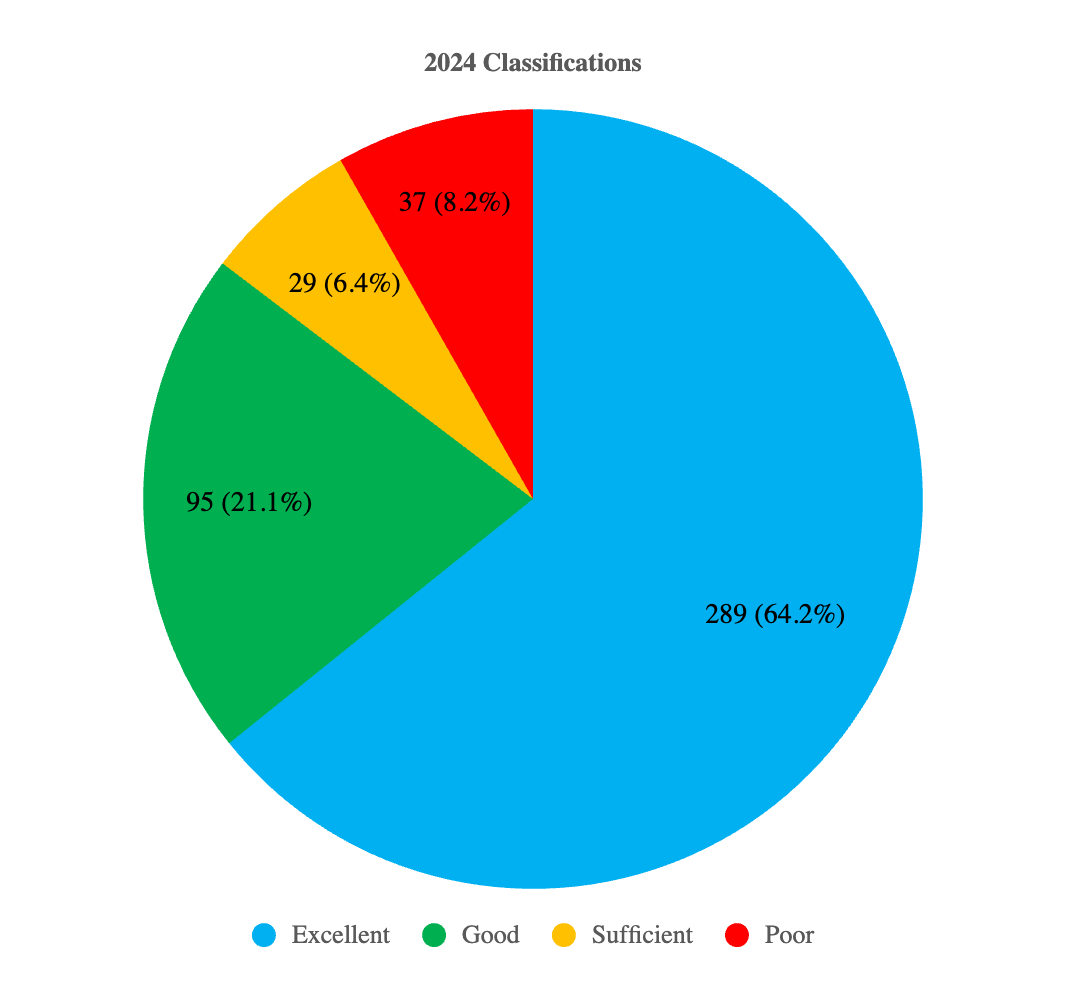
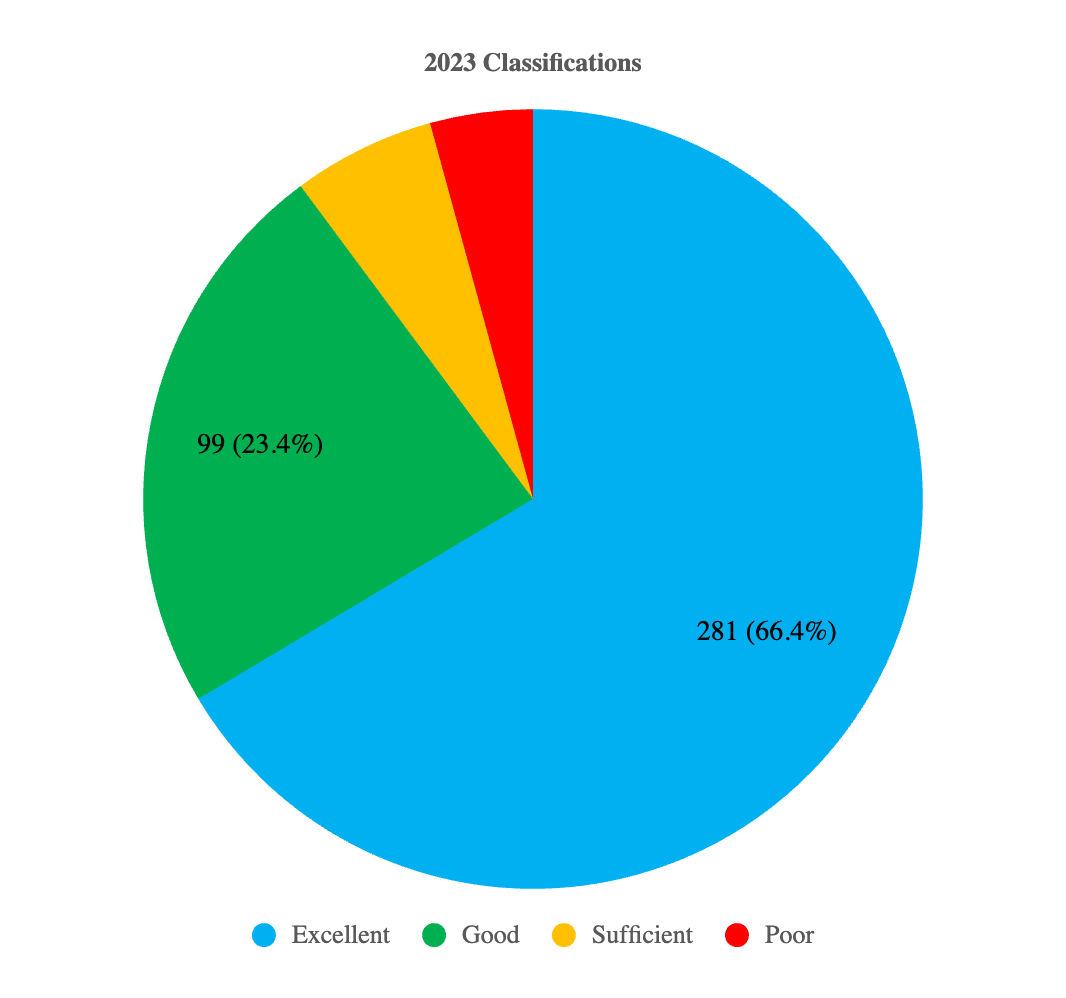
Just hours after last week’s newsletter hit your inbox, the Department for Farming and Rural Affairs (DEFRA) issued a press release saying ‘92% of English bathing waters meet water quality standards’. Wow, sounds great! Until you realise that last year’s statistics showed that 96% of bathing water sites met the minimum standard of Sufficient. Also, 90% met the highest standards of Good and Excellent last year compared to 85% this year.
The release of the 2024 statistics on English coastal and inland bathing waters follows testing by the Environment Agency at 450 sites regularly used by swimmers throughout the summer, including 27 new sites designated earlier this year. These tests monitor for sources of pollution known to be a risk to bathers’ health, specifically E. coli and intestinal enterococci.
The results do not cover some of the local waterways where we have regularly been following campaigns here such as Save Our Swale and Stop Ure Pollution, as they have not yet been granted Designated Bathing Water (DBW) status. The government deadline for the consultation on DBW is fast approaching (23rd December) and SOS campaigners are urging supporters to take part in the process which can be accessed here.
Getting stuck into the data, we can see information about plenty other rivers and coastal areas in the region which were tested, for example:
The following Yorkshire rivers were classified as poor - Wharfe at Cromwheel, Ilkley; Nidd at the Lido, Knaresborough and the Wharfe at Wilderness.
The situation at Tynemouth showed mixed results with Cullercoats and Littlehaven Beach both testing as Poor while Long Sands North and South plus King Edwards Bay being Excellent.
Coming down the east coast - while Whitby was rated Excellent; Robin Hoods Bay and Scarborough North Bay were marked Sufficient while Scarborough South Bay was Poor.
The full data set which you can explore to locate your local river or coastal spot here.
The figures also show a notable difference between the quality of coastal and inland bathing waters, with 95% of coastal waters meeting minimum standards this year, compared to only 53% of inland sites. Rivers often have poorer bathing water quality compared to the sea which benefits from the natural disinfection of salt water and greater dispersal of pollutants.
The Environment Agency said the rise in low rankings was partly because it had increased the number of designated bathing water sites, from 424 in 2023 to 451 in 2024.
What are the water classifications?
Excellent – the highest, cleanest class
Good – generally good water quality
Sufficient – the water quality meets the minimum standard
Poor – the water quality has not met the minimum standard
Water Minister Emma Hardy said: the were figures are unacceptable and show that too many of popular swimming spots are polluted.
“That’s why we are placing water companies under special measures through the Water Bill, which will strengthen regulation including new powers to ban the payment of bonuses for polluting water bosses and bring criminal charges against persistent law breakers.
“This is just the start – we’ve launched the largest review of the water sector since privatisation to attract the investment we need and reform the water system to help clean up our rivers, lakes and seas for good.”
💦 Yorkshire Water has admitted two offences related to sewage being pumped for days into a watercourse on the outskirts of York, reports Megi Rychlikova at the York Press.
💦 ‘Bathing not advised’ — but what happens now to the River Nidd? asks the Stray Ferret.
💦 Bathing water quality declines in Scarborough with ‘poor’ and ‘sufficient’ ratings writes Anttoni James Numminen at the York Press.
💦 'Poor' quality swimming spots double to reach highest level in nine years reports Alexa Phillips at inews.
The three most clicked links from last week were:
£17M invested to protect the North East’s rural coastal areas
Yorkshire researchers warn on looming loss of vital carbon sink and wildlife havens
In other news
🌏 “The scale of the project is just mind-blowing and so will its impact, not just in Teesside or the UK but around the world.” About 60 residents from across Teesside showed their support for one of Britain’s biggest clean energy projects. Graeme Anderson at Climate Post reports from a public meeting at Redcar and Cleveland College where people voiced support for the Net Zero Teesside project being built on the Teesworks site.
⚡️ Bradford will act as 'blueprint' in national push for low carbon heating using air source heat pumps to heat buildings across the city centre by 2027 reports Chris Young at the Telegraph and Argus.
🏡 Almost 8000 homes across the North East and Yorkshire have received energy efficiency improvements under government schemes since 2020 according to new research from the region’s Net Zero Hub.
⚡️ A Houghton-le-Spring-headquartered renewable energy developer has taken a major step towards advancing a South Yorkshire solar energy project by appointing a infrastructure consultancy as its project consultant. BDaily has more.
⚡️ Plans have been announced for a 3,000 panel solar farm at on 12 hectares of land at Wensleydale reservoir writes Joe Willis at RichmondshireToday.
🌏 The Yorkshire Dales National Park Authority says it has so far reduced greenhouse gas emissions by 74%, compared with 2005 in a news release here.
⚡️ Farmland between Rotherham and Doncaster could be transformed into one of the country's largest solar farms including on farmland previously designated for development under the now-abandoned HS2 project, writes Danielle Andrews of YorkshireLive.
🎄 Alice Kavanagh at the York Press reports that York Minster will start the advent procession by lighting up the building’s west front using an external LED lighting scheme, alongside 184 new solar panels.
🌼 Thank you for reading edition number 109 of The Northern Eco. This newsletter remains independent, free unless you want to pay, ad-free and proudly reader supported thanks to paying subscribers. The main newsletter is sent out at 7am on a Tuesday and can’t exist without paying subscribers. Please do subscribe to keep it going - I can’t do it without your support. Thanks!